
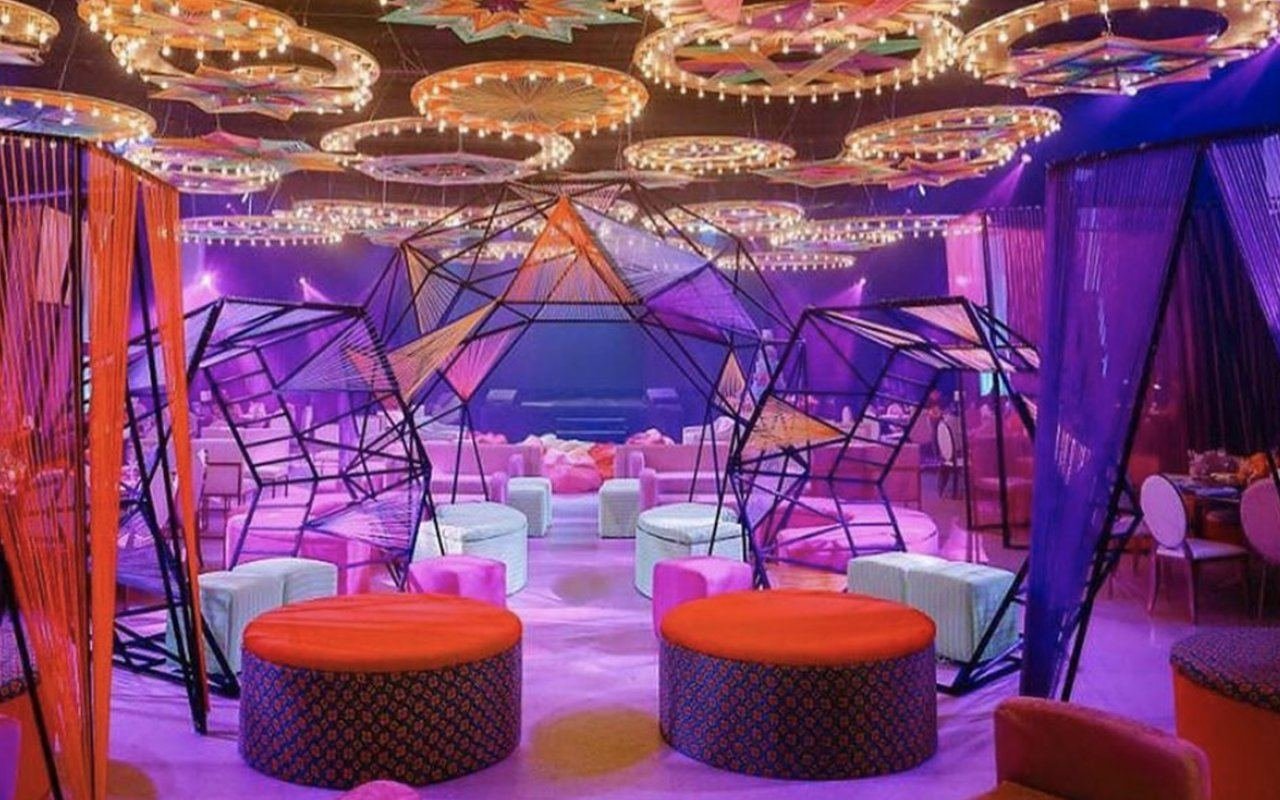
Events today carry more weight than before. They shape deals, share ideas, and help people connect in ways that emails cannot. Many teams now plan events with tighter time frames and higher hopes for how guests feel and react. In the Philippines, business events also serve as a way to build trust in a fast-moving market.
That is why the space you choose plays a deeper role than just holding people. An event space in Manila can shape flow, mood, and pace in ways that help events feel calm, clear, and well-run. We will take a look at how the right space supports events from setup to wrap-up, often in ways people don’t notice at first.
How the Right Event Space Helps Events Run Better
An event space works best when it supports both people and plans. From layout to lighting, each detail affects how guests move, listen, and engage. Below are the smart ways a well-planned space helps events stay smooth and focused.
Layout
The way a room is laid out sets the tone from the start. Guests notice how easy it feels to walk in, find seats, and move around. A good layout guides people without signs or staff having to step in too often.
Clear paths between seats, stages, and exits help avoid crowding. Breakout zones placed near the main room allow small talks to happen without noise spills. When people can move with ease, they feel less rushed and more open to talk and listen.
Layout also affects focus. Rows for talks, clusters for group work, or open plans for mixers all shape how guests act. When the space fits the goal, the event feels natural instead of forced.
Built-In Facilities
Events involve many moving parts, and tech issues rank high on the stress list. A space with built-in tools helps ease that load. Screens, sound systems, lights, and power points already in place save time and cut guesswork.
With these tools ready, planners avoid juggling many vendors. Setup feels faster. Fewer cables run across floors, and there are no last-minute vendor calls to disrupt the day. The event stays on track, and the team stays calm. This setup also helps speakers and hosts. They step in knowing the tools will work as planned and that peace of mind shows in how they speak and lead.
A Professional Setting
First impressions form fast. Before a word is spoken, guests take in the room. Clean lines, neat walls, and balanced light shape how people feel about the event and the host.
A well-kept event space in Manila signals care and thought. It tells guests that time and effort went into planning. This matters in business events, where image and trust go hand in hand. When the space feels polished, guests settle in faster, and they pay more attention. Talks feel more serious, and chats feel more focused. The room supports the message without trying too hard.
Support Teams
Even the best plans can shift during an event, such as when a mic needs fixing, chairs may need moving, or a speaker might ask for help at short notice. On-site support teams help handle these moments with speed and calm.
These teams know the space well. They know where tools sit and how systems work. That knowledge saves time when changes pop up. Instead of panic, there is a quick fix.
For planners, this support lifts a lot of weight. You can focus on guests and flow, not small fires behind the scenes. The event runs smoothly, and stress stays low.
Location
A great event means little if guests struggle to get there. Location plays a quiet but strong role in turnout and mood. A central spot with good access helps guests arrive on time and in better spirits.
When travel feels easy, people show up ready to engage. They are less tired and more open to talking. This helps talks start on time and keeps energy steady through the day. A well-placed space also benefits speakers and partners. They plan less around travel and focus more on content. The event gains from that focus.
Versatile Spaces
Not all events follow the same shape. Some need quiet focus, and others thrive on movement and talk. A space that can adapt helps hosts plan with more ease.
Rooms that shift from board-style to open plans suit meetings, talks, and mixers alike. Movable walls or flexible seating let one space serve many needs. This saves planners from hunting for new venues each time goals change.
Adaptable spaces also help with guest size. A small group feels comfortable, and a larger crowd still fits without strain. The space grows or shrinks with the event.
Comfort Features
Comfort often gets overlooked, yet it shapes how long guests stay alert. Seating, air flow, and light all play a role. When these feel right, people focus longer and feel less restless.
Good chairs support posture during long talks. Balanced lighting avoids glare or dim spots. Climate control keeps the room cool without feeling cold. These details work in the background but shape the whole experience.
Breakout areas also add comfort. Guests step aside to talk, rest, or reset before heading back in. This rhythm helps energy last through the event.
Time Efficiency
Time slips fast during events. A well-designed space helps keep things on schedule without pressure. Clear zones for setup, talks, and breaks reduce delays.
Built-in tools cut setup time, while clear layouts help guests move fast between sessions. Pack-down feels smoother when storage and exits sit where they should.
This time flow helps everyone, where guests feel the event respects their time, hosts end the day less drained, and the event feels well run, not rushed.
Conclusion
Events remain a key way for teams to share ideas and build ties. As goals grow sharper, the role of space grows with them. A thoughtful venue supports flow, comfort, and focus in quiet but steady ways. Choosing the right event space in Manila helps events feel more natural and less strained. As business events keep evolving, spaces that blend design, support, and ease will shape how people meet, talk, and remember each gathering.